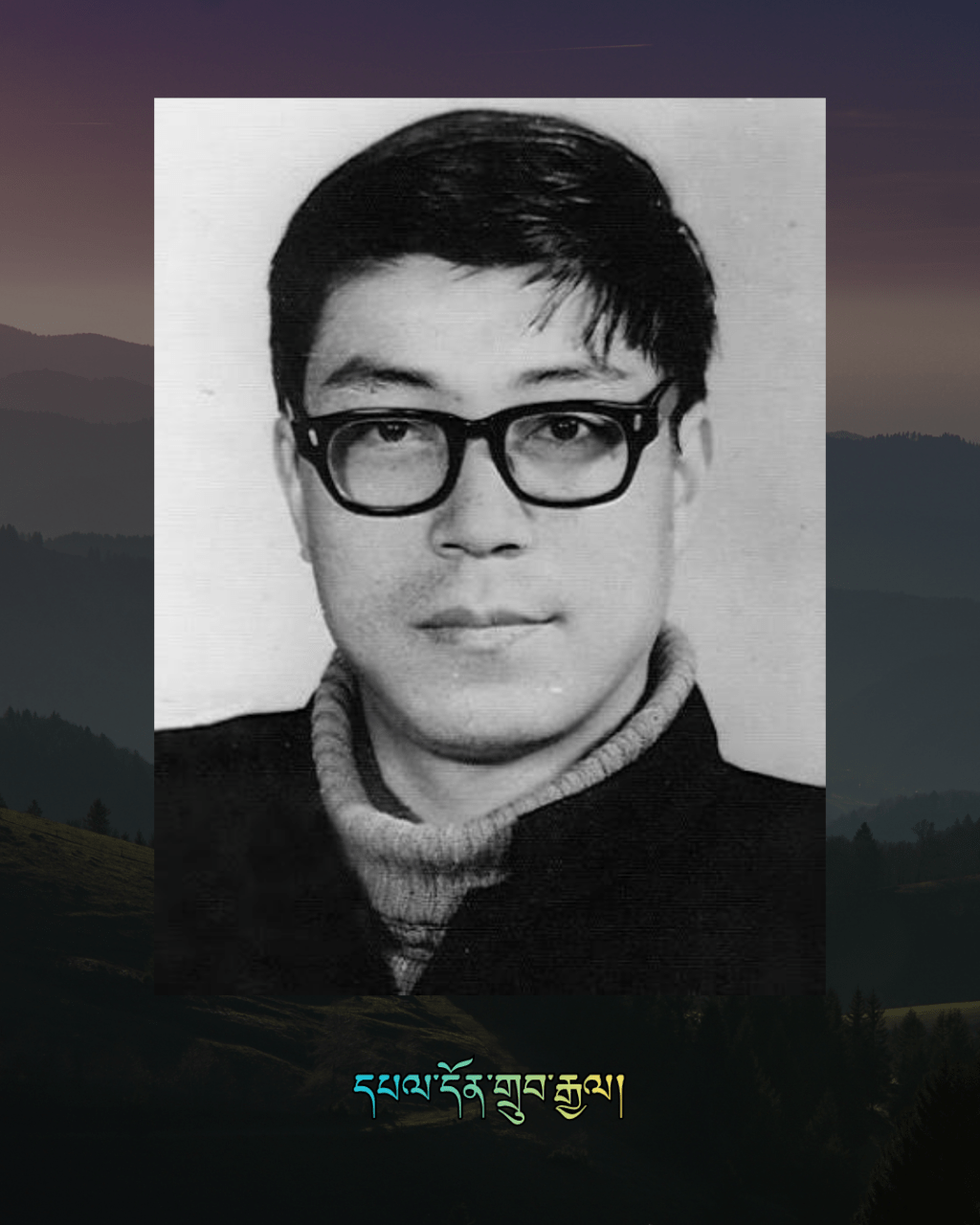
History as Waterfall, Youth as Current: An Interpretation of Dhondup Gyal’s Waterfall of Youth
In his celebrated poem Waterfall of Youth (ལང་ཚོའི་རྦབ་ཆུ།), the Tibetan poet Dhondup Gyal deploys a deceptively simple image — a waterfall, crashing and indifferent to the rocks that stand against it — to ask what it means for a people to be young, and what youth owes to the past it carries forward. Written in 1983 under his pen name Rangdrol (རང་གྲོལ།, meaning “self-liberated”), the poem stands as a landmark in modern Tibetan literature: widely regarded as the first free-verse poem written in the Tibetan language, a formal rupture as bold as its intellectual ambitions.
Its formal origins can be traced to Walt Whitman’s Leaves of Grass (1855), through a long current of literary influence that had already galvanized a generation of Asian modernists, including Xu Zhimo in the 1920s. Through such intermediaries, the liberating possibilities of free verse entered Tibetan letters with seismic force. Gyal’s contemporary poet Ju Kalsang recalled that modern poetry suddenly seemed to be written by everyone — university students, middle schoolers, and virtually all who were literate. 1 As the historian Tsering Shakya observes, “It appealed to Tibetans to embrace modernism as a means of regenerating their culture and national pride.”2 The poem captured the spirit of a generation that had endured the Cultural Revolution yet emerged from it feeling newly unshackled, breathing the uncertain air of Deng Xiaoping’s era of reform and opening. It was a generation that believed, or dared to believe, in its own force.
Dhondup Gyal did not live to see the full reach of what he had set in motion. He died by suicide in 1985, at the age of thirty-two. Yet the waterfall, as he wrote, remains undiminished — recited, adapted, and reimagined across decades of Tibetan cultural life, its imagery carrying forward into new and urgent terrain.
What makes the poem remarkable is its posture toward history. The waterfall is not merely an image of vitality or rebellion; it is a bearer of the past, a medium through which an entire civilization flows. The water descends from the snow mountains of origin and moves toward the vast ocean of the future, and in this arc, Gyal locates the meaning of Tibetan youth:
You are the witness of history and the guide to the future. Within each droplet of your immaculate waters, the rise and fall of the Land of Snows are recorded; and within each luminous particle of your spray, the flourishing and decline of the Land of Snows are contained.3
ཁྱེད་ནི་ལོ་རྒྱུས་ཀྱི་དཔང་བོ་དང༌། མ་འོངས་པའི་ལམ་འདྲེན་རེད། ཁྱེད་ཀྱི་དྲི་མ་བྲལ་བའི་ཆུ་ཐིགས་རེ་རེའི་ནང་དུ། གངས་ཅན་བོད་ཀྱི་འཕེལ་འགྲིབ་འཁོད་ཡོད་ལ། ཁྱེད་ཀྱི་གཟེགས་མ་འབར་བའི་རྡུལ་ཕྲན་རེ་རེའི་ནང་དུ། བསིལ་ལྡན་ཁ་བའི་ལྗོངས་ཀྱི་དར་རྒུད་འདུས་ཡོད།
Each droplet holds the rise and fall of a civilization. Youth, in this image, are not escaping history — they are its living transmission. The water carries the past not as a burden but as an inscription, something held within rather than dragged behind. The poem later makes this identification through direct apostrophe, crying out to the youth of the waterfall, the waterfall of youth: ཀྱེ་ཀྱེ། རྦབ་ཆུ་ཡི་ལང་ཚོ་ཡ། ལང་ཚོ་ཡི་རྦབ་ཆུ།
Yet the poem does not stop at celebration. A second, more demanding stanza introduces a tension that sharpens Gyal’s argument considerably:
Past splendor, ablaze with a thousand lights of wonder, cannot stand in for the present. Yesterday, tinged with the scent of salt, how could it possibly quench today’s thirst? If the hard-won, corpse-like body of history is not infused with a life-force attuned to its time, the arteries of growth cannot quicken, the lifeblood of progress cannot flow, and forward steps, still less, cannot be taken.
མཚར་སྡུག་འོད་སྟོང་འབར་བའི་སྔོན་ཆད་ཀྱིས་ད་ལྟའི་ཚབ་བྱེད་མི་རུང་ལ། བ་ཚྭའི་དྲི་དང་འགྲོགས་པའི་ཁ་སང་གིས་དེ་རིང་གི་སྐོམ་པ་ག་ལ་སོད། རྙེད་པར་དཀའ་བའི་ལོ་རྒྱུས་ཀྱི་བེམ་པོའི་ལུས་ལ། དུས་དང་མཐུན་པའི་སྲོག་གི་དབང་པོ་མ་ཞུགས་ན། ཡར་རྒྱས་ཀྱི་འཕར་རྩ་ལྡིང་མི་སྲིད་ལ། སྔོན་ཐོན་གྱི་སྙིང་ཁྲག་རྒྱུ་མི་ཐུབ་ཅིང་། མདུན་སྐྱོད་ཀྱི་གོམ་པ་ནི་དེ་བས་ཀྱང་ངོ་།
This stanza does not contradict the first; it completes it. What emerges from the two stanzas together is something close to a theory of history: not a record to be preserved, but a current to be carried and renewed in each generation. The waterfall carries history within each droplet, yes, but history alone, unrenewed, becomes a corpse: inert weight rather than living current. What Gyal demands of youth is something more difficult than memory or rebellion. It is the capacity to animate the past — to be the life-force that history requires in order to move forward at all. The snow mountains of origin are not enough. The water must flow, and flow with force, or the civilization it carries stagnates in place.
Read together, the two stanzas articulate a vision of historical consciousness and cultural continuity that refuses both nostalgia and severance. The past is real and must be carried; but carrying it is not the same as being entombed by it. Youth is the medium of transmission and, simultaneously, the energy of renewal. The waterfall is powerful precisely because it does not pool; it moves.
To read Waterfall of Youth today is to feel the weight of what that image now has to bear. The poem was composed at a moment of relative opening, by a writer who believed the creative energies of Tibetan youth could find expression in new forms — free verse, modernism, a literature unshackled from convention. What it describes as the natural condition of youth (cascading, insistent, indifferent to the rocks) now strains against a very different set of obstacles: Xi Jinping’s apparatus of surveillance, the restriction of religious and linguistic life, the steady narrowing of the space in which Tibetan culture can express itself openly.
And yet the poem’s own logic offers something in response. If the waterfall cannot surge in the open, it continues to move in quieter channels: a language spoken at home, a song adapted rather than abandoned, a poem recited not in the street but over the phone, carried across distances through WeChat or TikTok. These are not diminished forms of the waterfall. They are, by Gyal’s own terms, exactly what the waterfall does when it meets rock: it does not stop. It finds another way through.
The question Gyal’s poem ultimately leaves us with is not whether the force of Tibetan youth persists; the waterfall, by its nature, does not cease. The question is whether the channels it now travels, however narrow and dispersed, are enough to carry what each droplet holds: the rise and fall of a civilization, recorded, intact, waiting for the ocean.
Footnotes
 Tibet Historica
Leave a comment