-
The Chapa-Sapan Divide
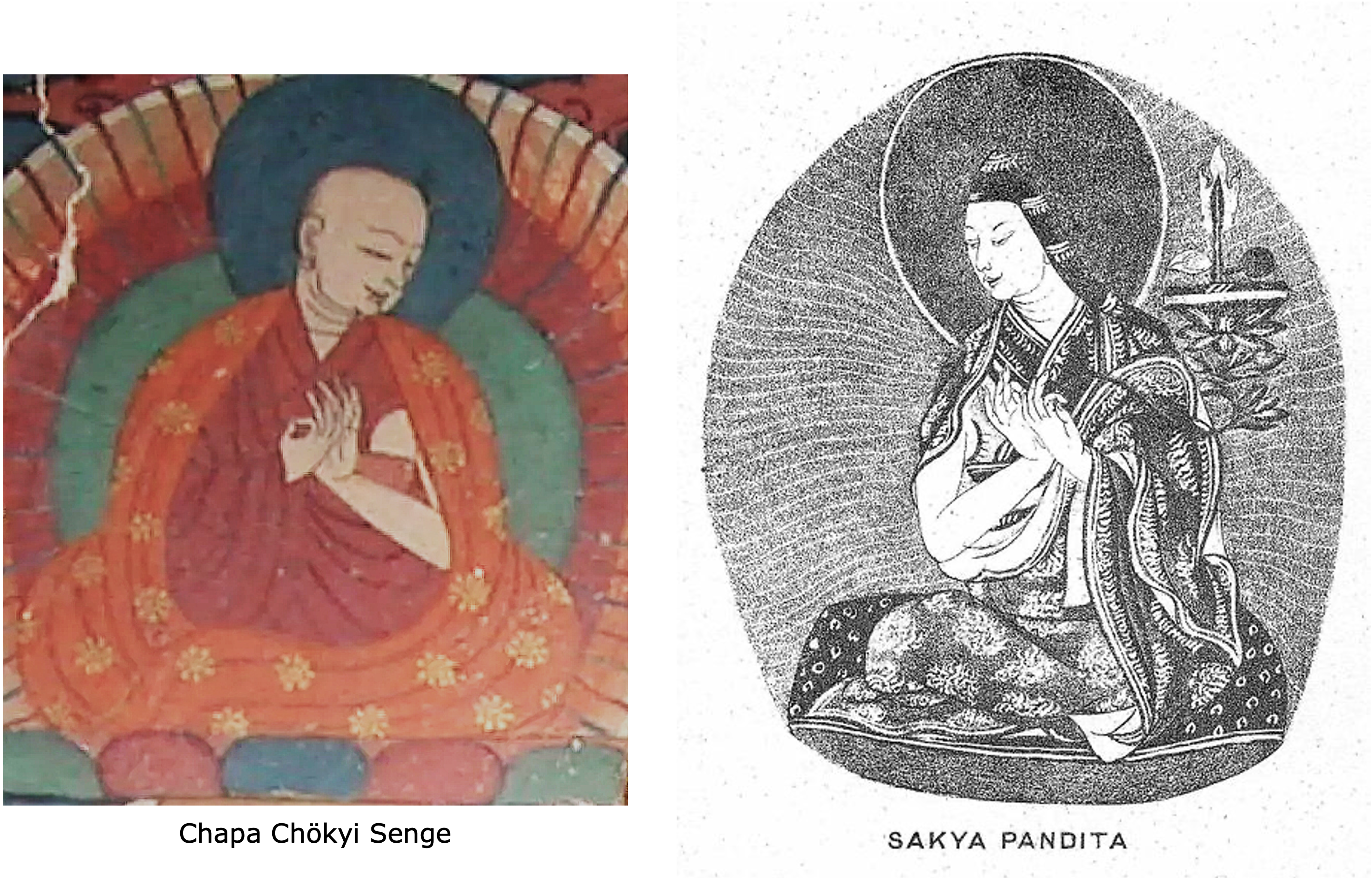
The Chapa-Sapan Divide: A Brief Note on Buddhist Epistemology in Tibet By Tenzin Rabga The eleventh century saw a resurgence in Tibetan intellectual scholarship; a renaissance of Buddhist philosophical scholasticism – known as the period of ‘later dissemination’ (bstan-pa phyi-dar) – set roots on the Tibetan plateau, defining its intellectual history, as well as shaping… Continue reading
-
The Tang-Tibet Treaty Pillar, 823 CE
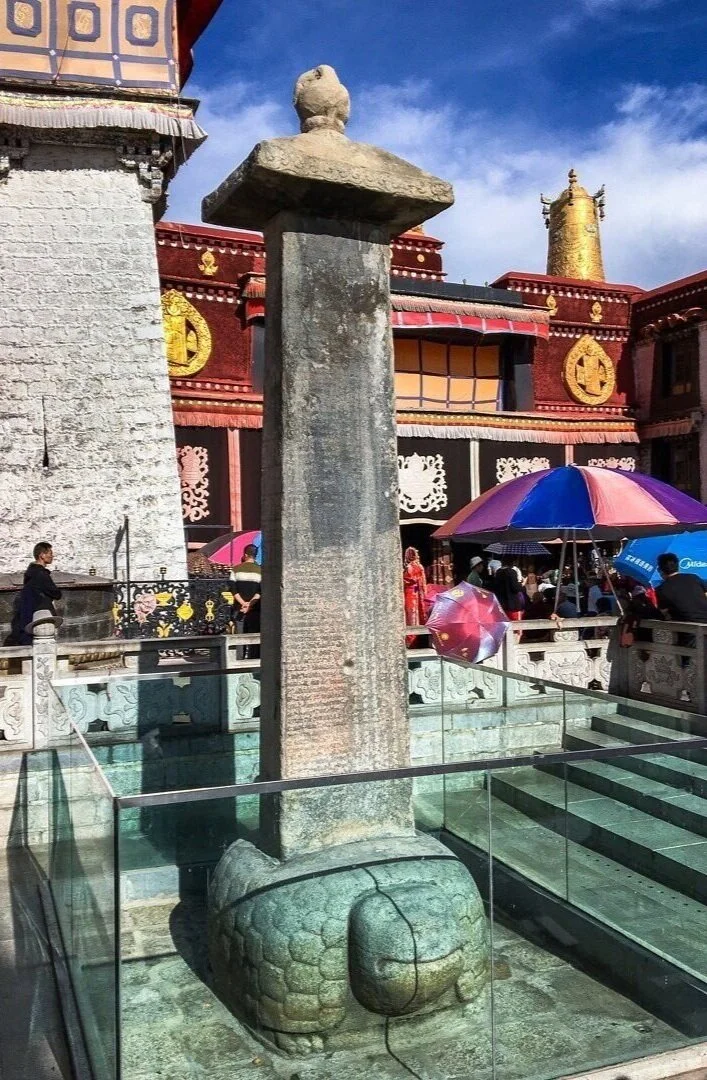
By Palden Gyal In front of the Jokhang Temple in Lhasa, one of the most sacred sites in the Tibetan world, a stone pillar has been standing for over twelve hundred years. It is not a decorative monument. It is a political document – carved in both Tibetan and Chinese, installed in the heart of… Continue reading
-
Empress Trimalo
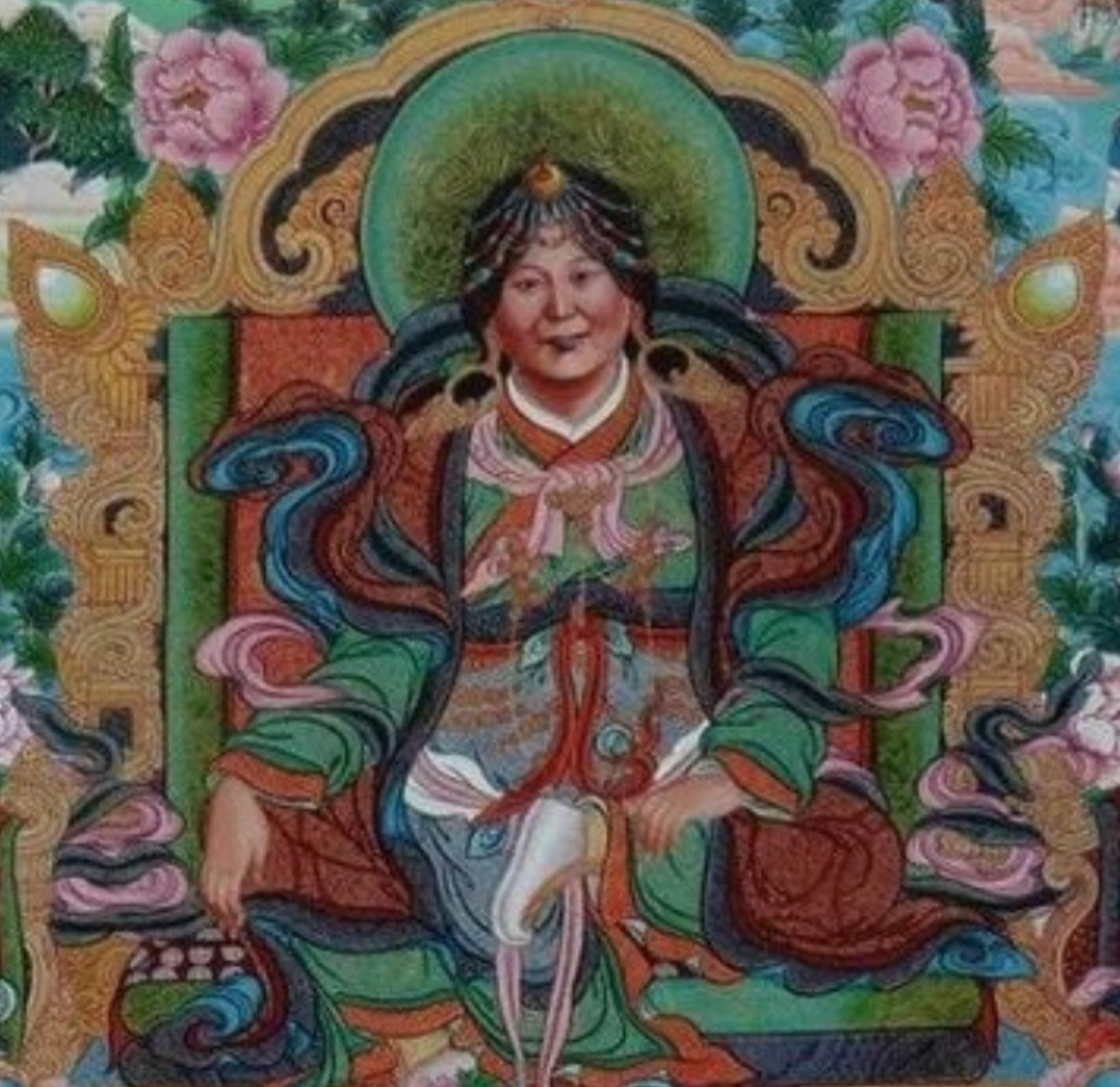
The Grandmother’s Court: Empress Trimalo and Female Authority in Imperial Tibet By Palden Gyal Empress Trimalo (Khri ma lod, fl. late 7th–early 8th century) stands among the most compelling political figures of the Tibetan imperial period. She was the consort of Mangsong Mangtsen (r. c. 650–676 CE) and mother of Emperor Tri Düsong (r. 676–704… Continue reading
-
The Forgotten Empire

The Forgotten Empire: Tibet and the Struggle for Central Asia Book Note 01 | On Beckwith’s The Tibetan Empire in Central Asia Did you know that in 763, Tibetan forces marched into Chang’an, the imperial capital of Tang China, installed a puppet emperor, and held the city for fifteen days? Emperor Daizong fled the city.… Continue reading
-
Convicted by Monks
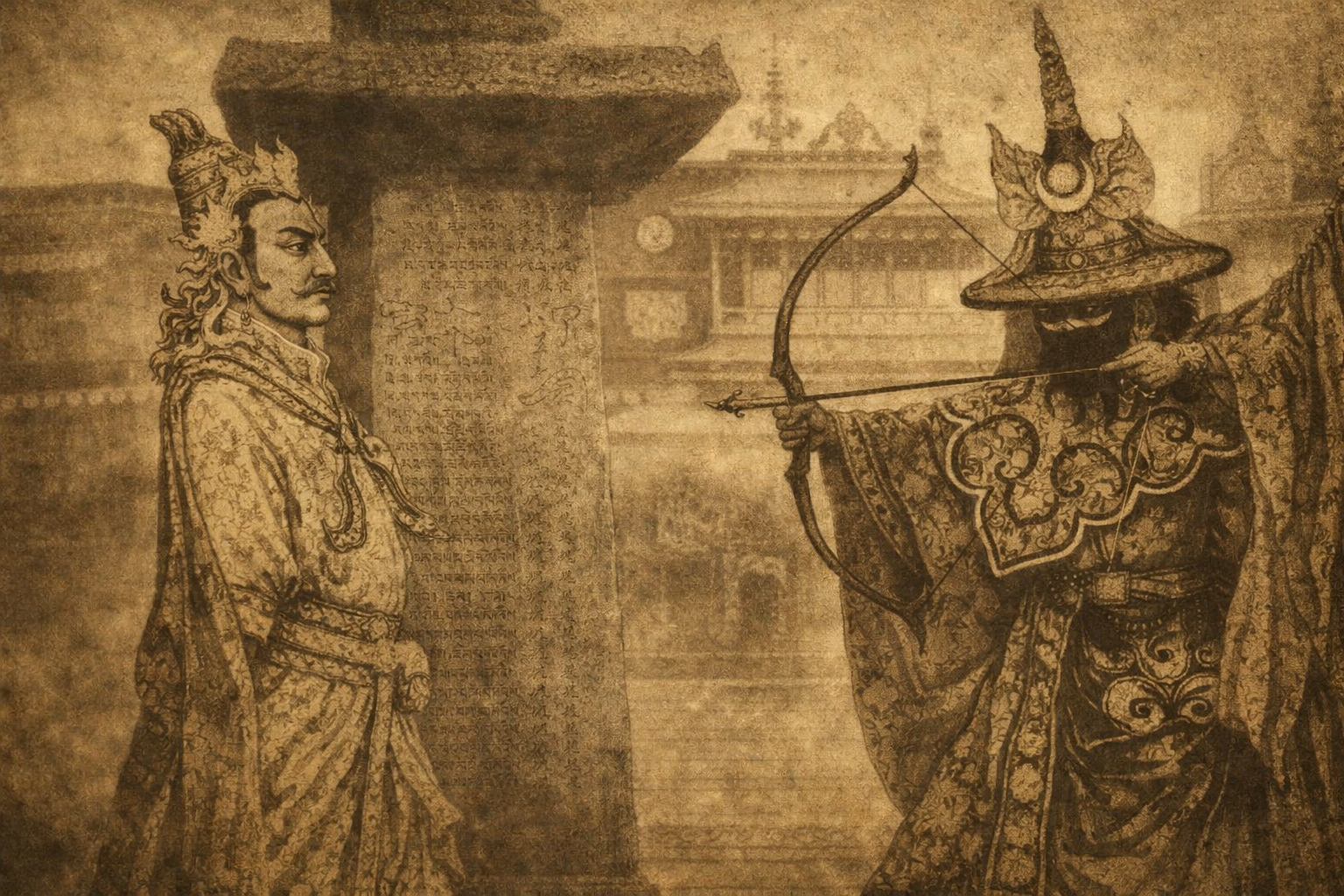
Reopening the Case Against Lang Darma By Palden Gyal Tri Udum Tsenpo (khri ’u dum btsan po; r. 841–842), better known to posterity as Lang Darma, remains one of the most misunderstood figures in Tibetan history. The epithet itself is telling: lang (glang) in Tibetan means ox or bull, and the image of a horned,… Continue reading
-
Testament of Ba

The Testament of Ba (sBa bzhed) is a foundational narrative of the Tibetan Empire, detailing the foundation of Buddhism under Emperor Trisong Detsen. This essay analyzes the “golden casket” episode as a narrative tool used to legitimize Buddhism as an indigenous Tibetan destiny. Featuring insights from 9th-century Dunhuang fragments, we explore how early historiography at… Continue reading